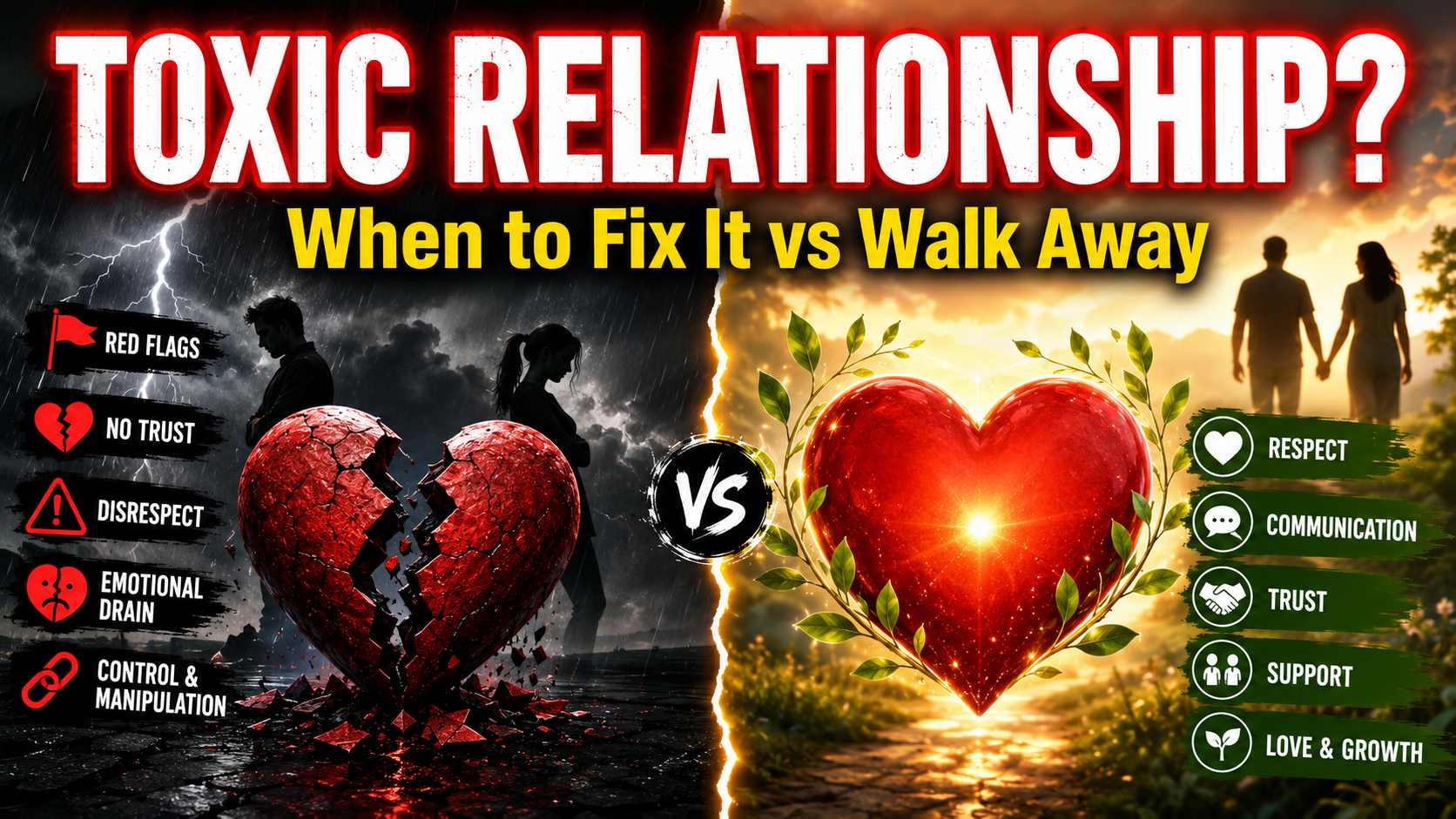
Signs of a Toxic Relationship: When to Fix It & When to Walk Away
Every relationship experiences challenging periods — weeks filled with disagreements, short tempers, or days when you feel overlooked or misunderstood. These moments do not automatically signal toxicity. The real challenge most people face is distinguishing between a temporary rough patch, which many healthy couples navigate successfully, and a deeper, repeating pattern that slowly damages emotional well-being, self-esteem, and overall safety.
This distinction is crucial because it guides your next steps: investing genuine effort into repair or recognizing that continued investment may only lead to more wasted time, pain, and eroded personal growth. Understanding these dynamics empowers you to make informed, self-respecting decisions rather than staying out of fear or habit.
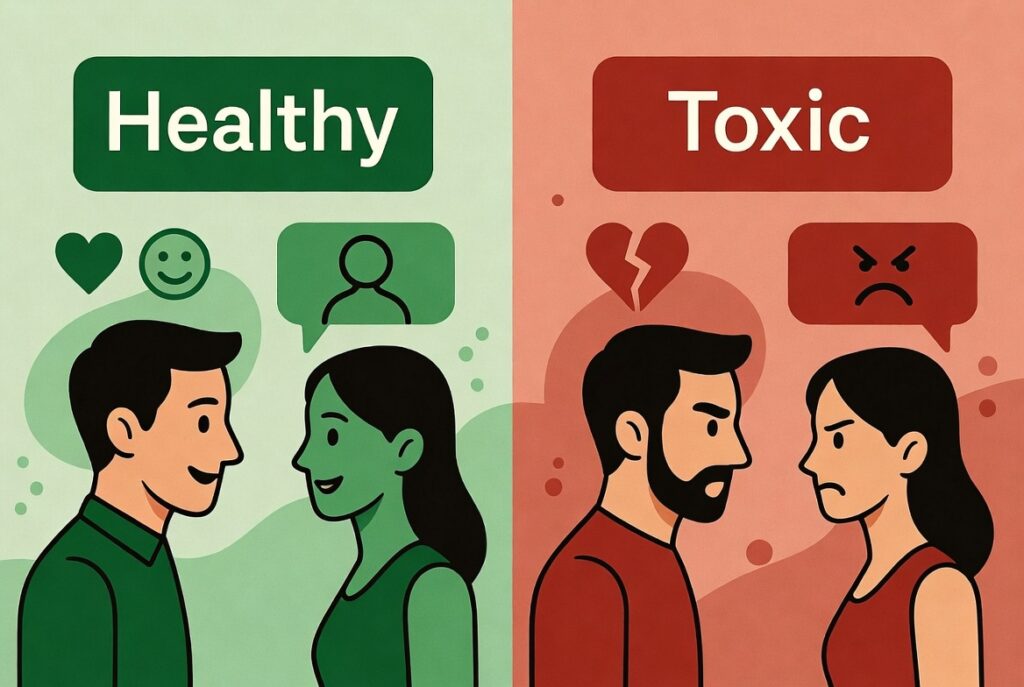
What Makes a Relationship Toxic (vs. Just Difficult)
Conflict itself is not toxic; every couple argues. A relationship turns toxic when conflicts form predictable cycles that consistently undermine your sense of self-worth, emotional safety, or mutual trust — especially when these cycles persist despite open discussions and attempts to address them. The defining element is the pattern, not isolated incidents. A single bad argument rarely defines a partnership, but recurring harmful behaviors often do.
Toxic dynamics often involve power imbalances, where one partner’s needs dominate, or where emotional manipulation becomes normalized. Over time, this can lead to anxiety, depression, lowered self-confidence, and even physical health impacts from chronic stress.
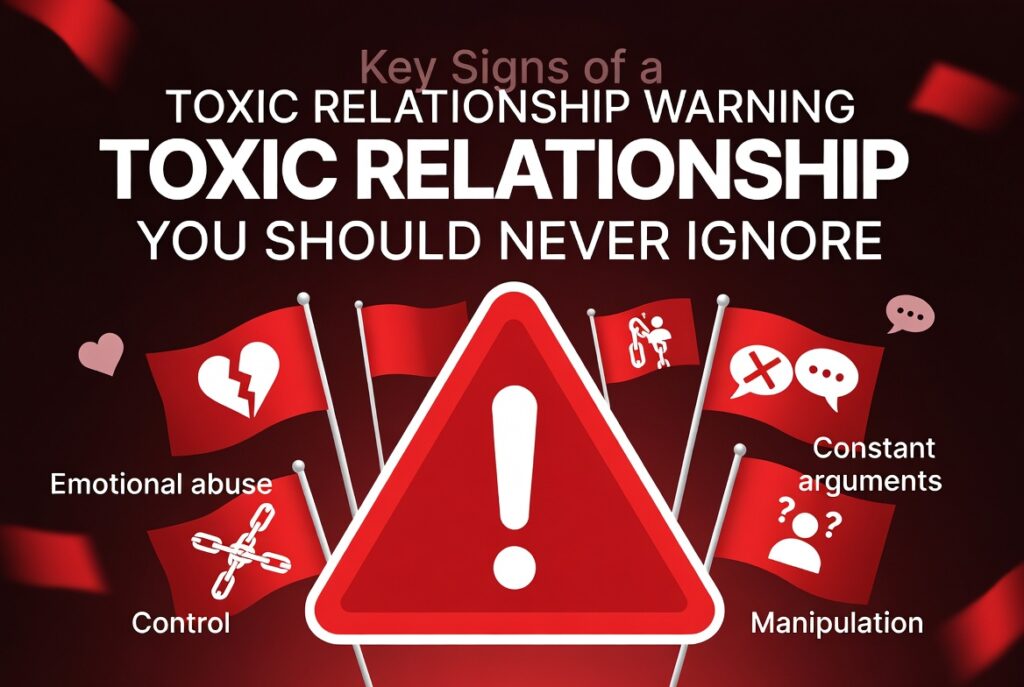
Key Signs of a Toxic Relationship You Should Never Ignore
Key Signs of a Toxic Relationship You Should Never Ignore
Here are key warning signs, expanded with context to help you evaluate your situation more clearly:
1. Criticism That Targets Who You Are, Not What You Did
Constructive feedback focuses on specific behaviors, such as “I felt hurt when plans changed last minute.” Destructive criticism attacks your core character: “You’re always selfish and never think about me.” When conversations repeatedly shift from actions to personal attacks on your intelligence, kindness, or value, it erodes self-esteem. This pattern can make you feel constantly defensive and unworthy.
2. A Pattern of Denial When You Raise Concerns
This often resembles gaslighting. You express hurt, only for your partner to deny the event, question your memory (“That never happened”), or flip the script so you end up apologizing. If you frequently leave discussions feeling confused, guilty, or doubting your own reality, this cycle deserves serious attention. It undermines trust and your sense of sanity.
3. Warmth and Coldness That Come in Unpredictable Waves
Alternating intense affection with sudden emotional withdrawal keeps you in a state of hypervigilance. The “highs” feel addictive, but they often mask anxiety about the next “low.” If the relief of reconnection feels like the relationship’s highlight rather than steady security, examine whether this instability is sustainable.
4. Isolation From Other People in Your Life
This rarely begins with outright bans. It might appear as jealousy toward your friends, guilt-tripping when you make plans, or constant criticism of your family. Gradually, your support network shrinks, leaving you more dependent on the relationship — a classic control tactic that increases vulnerability.
5. Promises to Change That Never Turn Into Actual Change
Apologies and commitments after conflicts are common, but repeated cycles of the same promise without observable behavioral shifts (over weeks or months) indicate a lack of genuine accountability. Real change involves consistent actions, not just words.
6. You’ve Started Editing Yourself to Avoid Their Reaction
Walking on eggshells — hiding successes, opinions, or plans to prevent criticism, jealousy, or outbursts — signals a loss of personal freedom. Healthy relationships encourage growth and authenticity; toxic ones quietly demand you become smaller to maintain peace.
7. Constant Score-Keeping
Arguments that dredge up every past mistake create a ledger of resentment rather than problem-solving. This prevents forward movement and turns the relationship into a battlefield of who owes whom more.
Why Signs of a Toxic Relationship Are Hard to Spot
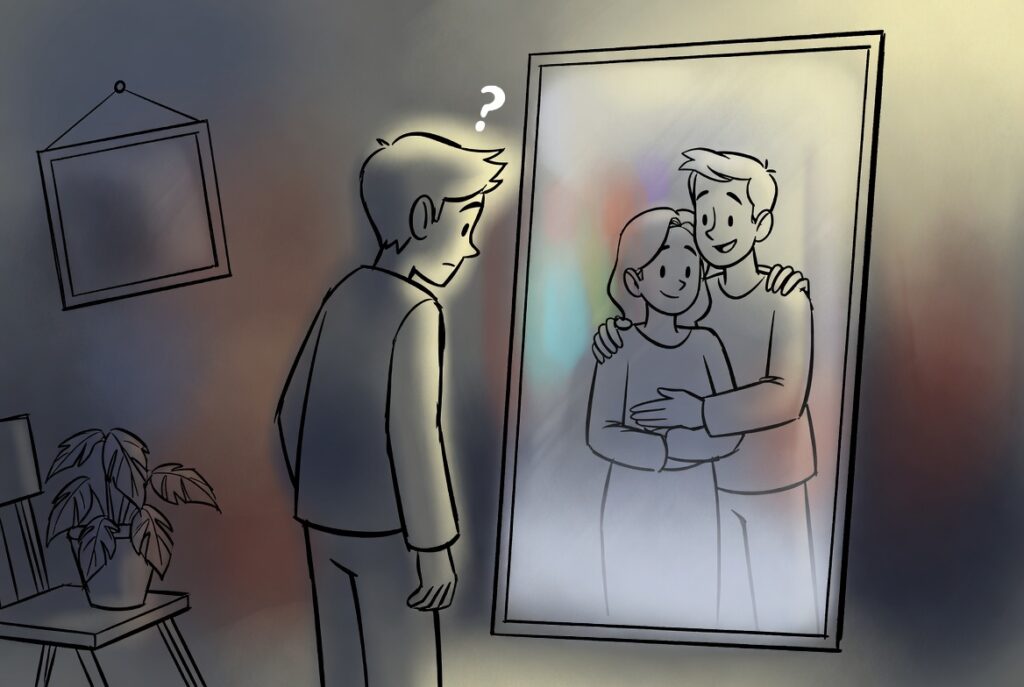
Many people recognize elements of these signs but rationalize them as “stress,” “temporary,” or “something we can fix with better communication.” Toxic patterns often develop slowly, intertwined with genuine love and shared history, making them difficult to label clearly. Love, hope, and fear of being alone can cloud judgment, leading people to stay far longer than they would if the issues appeared suddenly on day one.
Why Signs of a Toxic Relationship Are Hard to Spot
When It’s Worth Trying to Fix a Toxic Relationship
Not every relationship showing signs of strain is beyond repair. Fixing is usually realistic when:
Both people acknowledge the problem. If only one person sees an issue, “fixing it” tends to mean one person doing all the changing.
There’s a track record of follow-through, not just intention. Real change shows up as different behavior over weeks and months, not just better conversations.
The core issues are about communication or habits, not safety. Poor conflict skills, mismatched love languages, and unaddressed stress are workable. Manipulation, control, and any form of abuse are not “communication issues” to be worked through the same way.
You both still want the relationship, not just the comfort of not ending it. Wanting to fix things and wanting to avoid the discomfort of leaving are two different motivations, and it’s worth being honest with yourself about which one is actually driving you.
When It’s Worth Trying to Fix a Toxic Relationship
Couples counseling, direct conversations about specific patterns (not just “we need to communicate better”), and mutual accountability are the tools that make repair realistic — but only when both people are actually willing to use them.
When It’s Time to Walk Away from a Toxic Relationship
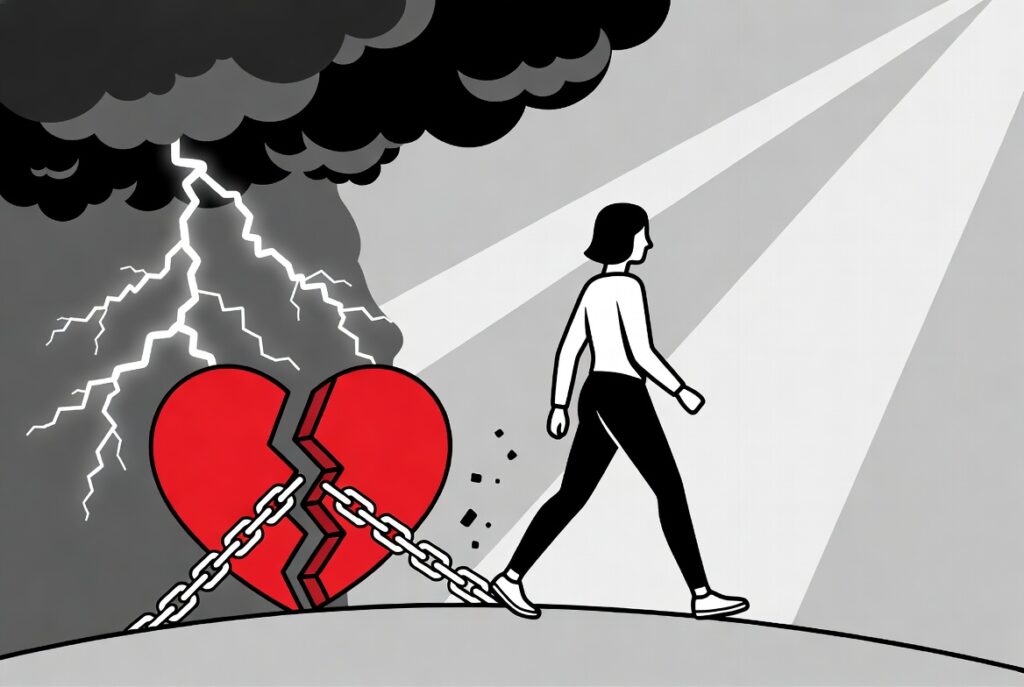
Some relationship patterns go far beyond normal struggles or fixable issues. They signal that the dynamic is unlikely to become safe, respectful, or fulfilling no matter how much effort, patience, or love you invest. In these situations, continuing to try harder often leads to greater harm — emotionally, mentally, and sometimes physically. Walking away is not giving up or failing; it is an act of self-preservation and self-respect.
When It’s Time to Walk Away from a Toxic Relationship
Here is a deeper look at the key indicators that it’s time to leave:
1. Any Form of Physical, Sexual, or Severe Emotional Abuse
Abuse is never a “communication problem” to work through together. Physical violence, sexual coercion, threats, or severe emotional abuse (constant belittling, humiliation, raging, or terrorizing) create an environment of fear. Even if the abusive behavior is intermittent or followed by apologies and “honeymoon” periods, the cycle tends to escalate over time. Your safety and basic human dignity come first — professional help and a safety plan (often involving leaving) are essential, not more couples counseling.
2. Consistent Controlling Behavior
Control can appear in many forms:
Monitoring your phone, messages, emails, or location
Restricting your access to money or important documents
Dictating who you can see, where you can go, or what you can wear
Isolating you from friends and family
Making major decisions without your input
These behaviors are about power, not love. They erode your autonomy and make healthy independence impossible. Once control is entrenched, genuine equality and mutual respect rarely return without significant external intervention (and often don’t return at all).
3. A Pattern of Promises to Change with Zero Actual Behavior Change Over an Extended Period
Everyone makes mistakes and can say they’ll improve. But when the same harmful behaviors repeat for months or years despite repeated conversations, apologies, and commitments, it reveals a lack of real accountability. This pattern keeps you in a loop of false hope. At a certain point, you must accept the behavior you’re experiencing is the real pattern — not the promised future version of your partner.
4. You No Longer Feel Safe Expressing Disagreement, Sadness, or Your Own Needs
In a healthy relationship, you can voice concerns, show vulnerability, or say “no” without fearing intense backlash, silent treatment, or emotional punishment. When you feel you must constantly manage your partner’s reactions or suppress your truth just to keep the peace, you are living in an emotionally unsafe environment. This chronic self-censorship slowly destroys your authenticity and mental health.
5. Your Sense of Who You Are Has Noticeably Shrunk Since the Relationship Began
Ask yourself honest questions:
Do you feel smaller, less confident, or less like “yourself” than before the relationship?
Have you given up hobbies, goals, or friendships to avoid conflict?
Do you feel chronically anxious, depressed, or exhausted in ways directly tied to the relationship?
Have your self-worth, energy, and joy steadily declined?
A good relationship should help you grow and feel more alive. When it consistently makes you feel diminished, it is time to reclaim your life.
The Bottom Line
The question isn’t whether your relationship has problems — every relationship does. The real question is whether those problems are being met with honesty, accountability, and actual change, or whether they’re being met with denial, blame, and more of the same. One of those is worth investing in. The other usually isn’t going to resolve itself no matter how much time you give it.
For more on rebuilding your sense of self after a difficult relationship, explore our full Personal Growth and Emotional Wellness collections, or head back to the VibesSelf homepage for our latest guides.
A Note on Processing Through Writing
Many readers find that writing things out privately, away from the relationship itself, helps separate what actually happened from the confusion of being inside it. If you don’t already have a space for that, starting a simple private journal or blog is easier than it sounds. We personally use Hostinger for hosting when we build sites like this one — it’s affordable, fast to set up, and a solid option if you ever want a dedicated space of your own to write through what you’re working through. This post contains an affiliate link. If you purchase through it, we may earn a small commission at no extra cost to you.
FAQ
Can a toxic relationship become healthy again? Sometimes — when both people recognize the pattern, want to change it, and follow through with real, sustained behavior change, not just better intentions. It requires honesty and consistency from both sides, not just one.
Is it normal to feel confused about whether your relationship is toxic? Yes. Toxic patterns build gradually and are often mixed in with genuinely good moments, which makes them much harder to see clearly from the inside than they would be from the outside.
What’s the difference between a difficult relationship and a toxic one? Difficult relationships involve real but workable friction — miscommunication, mismatched expectations, stress. Toxic relationships involve a repeating pattern that damages your sense of self or safety, and typically persists even after being addressed directly.
This article is for general informational purposes and isn’t a substitute for professional guidance. If you’re in a relationship involving abuse or feel unsafe, consider reaching out to a licensed therapist or a domestic violence support service such as the National Domestic Violence Hotline (1-800-799-7233 in the US).