Nervous System Regulation: 8 Proven Techniques to Calm Your Body
Your heart races before a hard conversation. You feel wired but exhausted at 11pm, wide awake despite being drained all day. A minor inconvenience — a slow line, a curt email — sends your whole body into overdrive. None of this is “just stress” in the vague, catch-all sense people usually mean. It’s your nervous system, and increasingly, the wellness world is treating it not as background noise but as something you can actually train and optimize for better daily functioning.
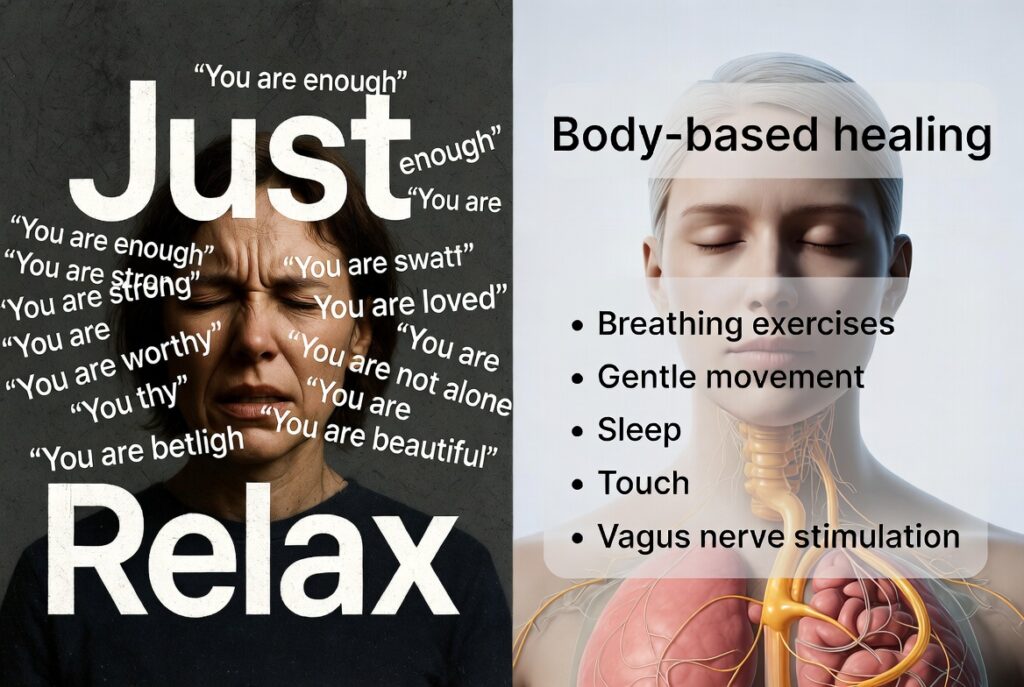
In today’s fast-paced, hyper-connected world — filled with nonstop notifications, high-pressure deadlines, global uncertainties, and blurred boundaries between work and rest — more people than ever are experiencing chronic activation that leaves them feeling anxious, depleted, or emotionally numb. Nervous system regulation was named the top wellness trend for 2026 by experts at the Global Wellness Summit, and it’s easy to see why it’s resonating so widely: it moves beyond vague advice like “just relax” or generic self-care and offers something concrete — a sophisticated, trainable system inside your body that you can learn to read and gently influence in real time. This shift empowers individuals to build lasting resilience rather than just coping with symptoms.
What Nervous System Regulation Actually Means
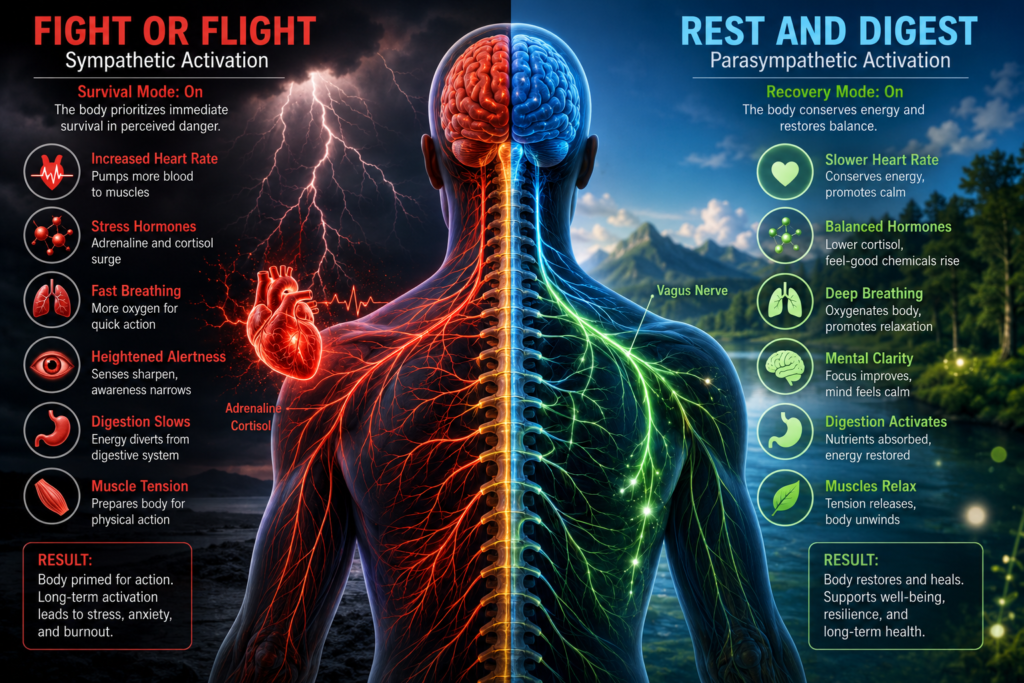
Your autonomic nervous system operates largely outside conscious control, constantly shifting between two primary modes. The sympathetic state activates fight, flight, focus, and alertness when energy or vigilance is needed. The parasympathetic state supports rest, digest, recovery, and social connection once the demand passes. In a healthy, regulated system, you fluidly move between these states — ramping up for a challenge and then settling back down afterward.
Dysregulation occurs when the system gets “stuck.” You may remain chronically activated (anxious, wired, heart racing, unable to relax) or chronically shut down (numb, foggy, low motivation, emotionally flat). These states often develop from prolonged stress, unresolved trauma, poor sleep, or lifestyle overload, but they are not permanent flaws — they are adaptive responses that can be retrained through nervous system regulation.
Nervous system regulation, in the modern wellness context, is not about eliminating stress responses entirely. It’s about restoring your nervous system’s natural flexibility so it can activate appropriately and then return to safety and connection. Concepts from polyvagal theory emphasize the vagus nerve’s central role in signaling safety and facilitating social engagement. When you practice regulation techniques, you’re essentially strengthening your body’s built-in “brake” system (parasympathetic) while improving its ability to discharge excess activation energy. The result is greater emotional stability, clearer thinking, better sleep, and a stronger sense of inner safety.
What Nervous System Regulation Actually Means
Signs Your Nervous System May Be Dysregulated
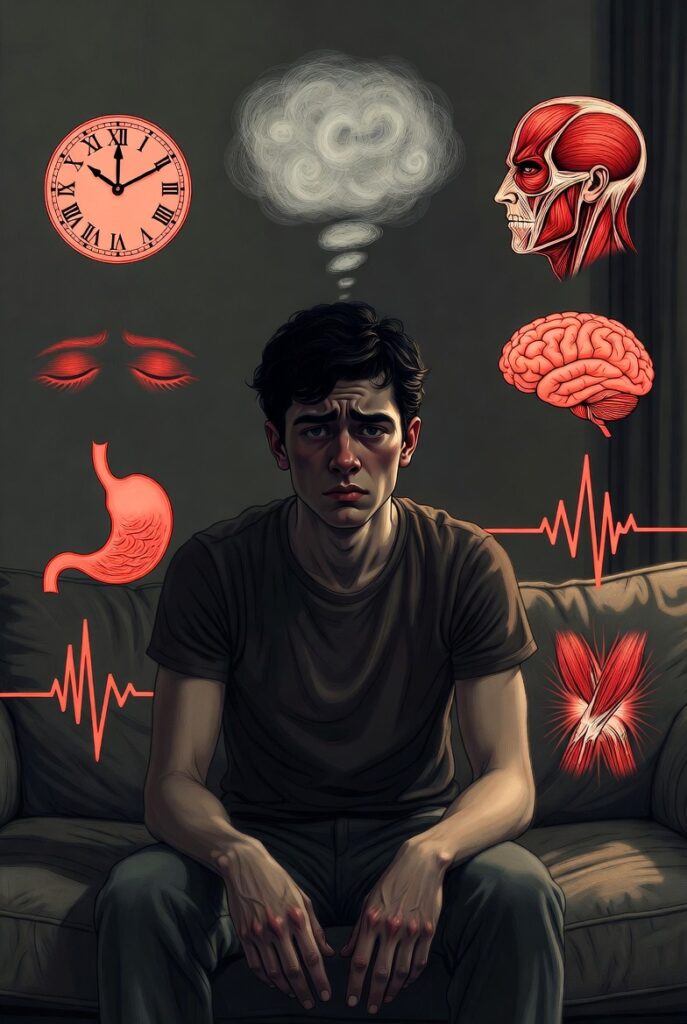
These patterns are common signals that your nervous system needs support. They don’t always indicate a medical disorder — they’re often intelligent responses to sustained stress — and they respond well to consistent practice:
Feeling “tired but wired” — exhausted yet unable to fully relax or sleep
Overreacting to minor stressors or feeling disproportionately anxious in low-stakes situations
Chronic muscle tension, especially in the jaw, shoulders, neck, or chest
Difficulty concentrating or feeling mentally foggy and disconnected
Digestive issues (bloating, IBS-like symptoms, appetite changes) that worsen with stress
Feeling emotionally flat, numb, or detached for extended periods
Getting startled easily or maintaining a constant low-level sense of alertness or dread
Recognizing these signs is empowering. Once you notice them, you can begin using targeted techniques to help your system return to balance. If symptoms are severe, persistent, or significantly impacting your life, consider speaking with a healthcare provider or a therapist trained in somatic or polyvagal-informed approaches.
Signs Your Nervous System May Be Dysregulated
8 Nervous System Regulation Techniques
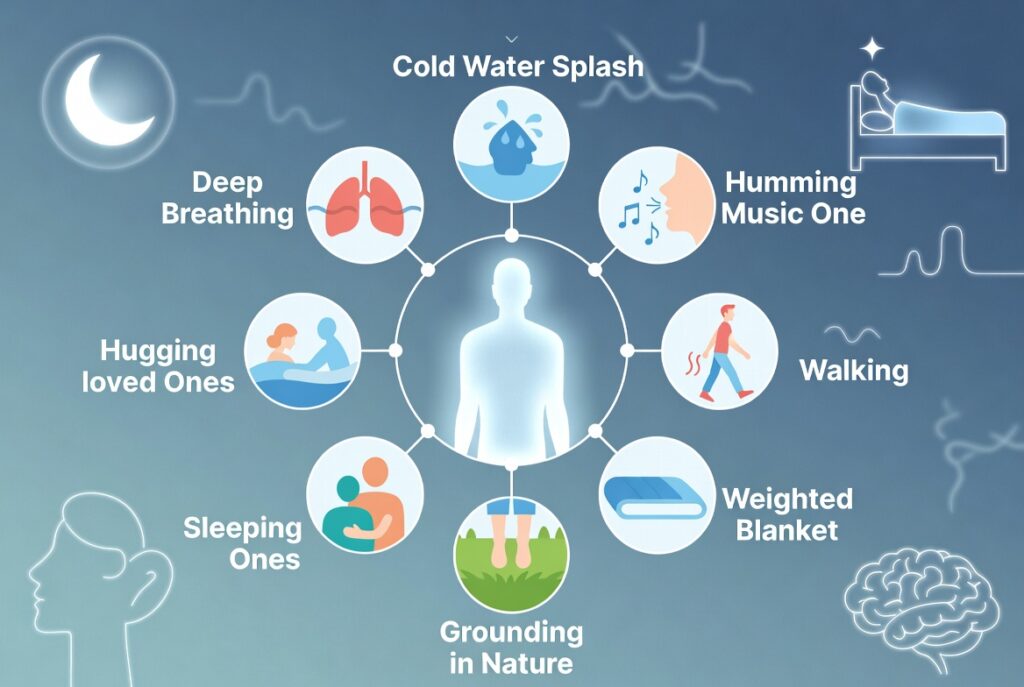
These eight techniques are simple, evidence-informed, and require little to no equipment. They work by directly influencing the vagus nerve, discharging excess stress energy, or signaling safety to the body. Start with one or two that feel most accessible and build from there.
8 Nervous System Regulation Techniques
1. Extended Exhale Breathing
Inhale for about 4 counts, then exhale slowly for 6–8 counts (or longer). This lengthens the exhale and powerfully activates the parasympathetic nervous system via the vagus nerve. It works almost instantly to lower heart rate and calm the body.
How to practice: Sit or lie comfortably. Breathe in gently through the nose, then exhale slowly through the mouth or nose, making the exhale longer and smoother. Repeat for 5–10 minutes. You can also try a “physiological sigh”: take two quick inhales through the nose, then one long exhale. Use it in the moment during stress or as a daily reset (morning or bedtime). Studies on slow breathing consistently show improved heart rate variability and reduced anxiety.
2. Cold Exposure
A brief blast of cold water on the face or ending a shower with cold water stimulates the vagus nerve through the dive reflex and interrupts spiraling stress responses. How to practice: Start small — splash cold water on your face for 10–30 seconds while breathing steadily. Progress to 30–60 seconds of cold water at the end of a shower. Keep breathing calm and controlled. This tool is excellent for quick resets when you feel overwhelmed or anxious.
3. Humming, Singing, or Gargling
The vagus nerve travels through the throat muscles, so vibration in this area directly stimulates it and promotes calm. How to practice: Hum a favorite song or simple tone for 5–10 minutes, sing along to music, or gargle water vigorously for 30 seconds. Do this while driving, in the shower, or during work breaks. The vibration creates an immediate soothing effect and can help when you feel emotionally flat or disconnected.
4. Rhythmic, Bilateral Movement
Activities that involve alternating sides of the body help discharge stored stress activation and support brain integration. How to practice: Take a steady 20–30 minute walk at a comfortable pace (nature is ideal). Swing your arms naturally. Other options include gentle dancing to rhythmic music, swimming, or cycling. A relaxed walk is often more regulating than intense exercise. This technique is widely used in somatic and trauma-informed practices.
5. Weighted or Deep Pressure Input
Deep pressure signals safety to the nervous system and activates the parasympathetic response. How to practice: Use a weighted blanket (roughly 10% of your body weight) while resting or sleeping. Give yourself a firm self-hug, press both hands gently but firmly on your chest or shoulders, or use a weighted lap pad. Even wrapping yourself tightly in a blanket can help. This is especially useful for anxiety, overwhelm, or before sleep.
6. Orienting to Your Environment
When activated, deliberately noticing your current surroundings tells your brain “I am safe right now.” How to practice: Slowly look around the room and name what you see, hear, or feel. Try the 5-4-3-2-1 grounding technique: 5 things you see, 4 you can touch, 3 you hear, 2 you smell, 1 you taste. Spend 1–2 minutes doing this when tension rises. It interrupts hypervigilance and rumination effectively.
7. Co-Regulation Through Connection
Nervous systems co-regulate with others. A calm presence, steady voice, or safe physical closeness can shift your state faster than solo techniques alone. How to practice: Spend time with supportive people, have meaningful conversations, cuddle with a pet, or listen to a calm voice (podcast, call, or meditation). Safe physical touch (hand-holding, hugs) amplifies the benefit when it feels right. Genuine connection is one of the most powerful regulators available.
8. Consistent, Non-Negotiable Rest
No technique replaces actual recovery. A chronically under-rested nervous system will keep re-dysregulating. How to practice: Prioritize 7–9 hours of quality sleep. Create a consistent wind-down routine (dim lights, no screens 60 minutes before bed, same bedtime nightly). Schedule true downtime without guilt. Honor your body’s need for rest. Regulation tools work best when layered on top of solid foundational recovery.
Why This Trend Is Different From Past “Self-Care” Advice
Older wellness advice often treated calm as something you could willpower or think your way into — positive affirmations, mindset shifts, or “just relax.” While mindset matters, nervous system regulation takes a different, more effective route: it works from the body upward. By influencing physiology first (through breath, touch, movement, sound, or temperature), you create conditions for the mind to follow naturally.
This body-first, somatic approach aligns with current neuroscience and trauma research. It acknowledges that stress responses live in the body and nervous system, not just in thoughts. That’s why the trend feels so refreshing and practical in 2026 — it offers measurable, repeatable tools that produce noticeable shifts quickly, without requiring hours of time or expensive equipment. Many people now combine these practices with therapy for even stronger results.
Why This Trend Is Different From Past Self-Care Advice
The Bottom Line
You cannot think your way out of a dysregulated nervous system any more than you can talk your way out of a fever. But you can influence it directly — through breath, movement, touch, sound, temperature, connection, and rest.
None of these techniques require special equipment or large blocks of time. The real power lies in choosing a few small, repeatable tools and actually using them when you notice your system getting stuck. Start simple. Practice consistently. Pay attention to what shifts in your body and mood.
Over time, these practices build a more flexible, resilient nervous system — one that activates when needed and returns to calm with greater ease. You’ll likely notice better sleep, fewer overreactions, clearer thinking, and a deeper sense of safety in your own body.
Nervous system regulation is a skill that improves with gentle, consistent practice. You don’t have to do everything perfectly. Small, repeated actions create real, lasting change. If you’re navigating significant trauma or ongoing challenges, working with a qualified professional (such as a somatic therapist or polyvagal-informed practitioner) can provide personalized support alongside these everyday tools.
Your nervous system is not broken — it’s adaptive. With the right practices, nervous system regulation can help it learn to feel safe again. Start today with one technique. Your future calmer, more regulated self will thank you.
If a racing mind tends to accompany that “wired but exhausted” feeling, these strategies for overthinking pair well with the techniques here. And if dysregulation shows up most around chronic overload, our guide on signs of burnout and how to recover covers the bigger-picture piece.
A Note on Tracking Your Own Patterns
Some readers find it useful to keep a simple log of what dysregulates them and what actually helps — over time, patterns emerge that generic advice can’t capture. If you’d like a private space to track this (a journal, a habit log, or even a personal wellness blog), setting one up is simpler than it sounds. We use Hostinger for hosting sites like this one — it’s affordable, quick to set up, and a solid starting point if you ever want a dedicated space of your own. This post contains an affiliate link. If you purchase through it, we may earn a small commission at no extra cost to you.
FAQ
How long does it take to regulate your nervous system? Individual techniques, like extended-exhale breathing, can produce a noticeable shift within minutes. Longer-term regulation — a nervous system that’s less reactive overall — typically develops over weeks to months of consistent practice, similar to building any other physical skill.
Is nervous system regulation the same as meditation? They overlap but aren’t identical. Meditation is one tool that can support regulation, but nervous system regulation is a broader category that includes movement, breathwork, touch, sound, and rest — not just seated stillness practices.
Can nervous system dysregulation cause physical symptoms? Yes — chronic activation is linked to muscle tension, digestive issues, sleep disruption, and fatigue, since the same physiological systems involved in stress response also affect digestion, sleep, and muscle tone.
This article is for general informational purposes and isn’t a substitute for professional medical or mental health advice. If you’re experiencing persistent anxiety, physical symptoms, or distress, consider speaking with a doctor or licensed therapist.