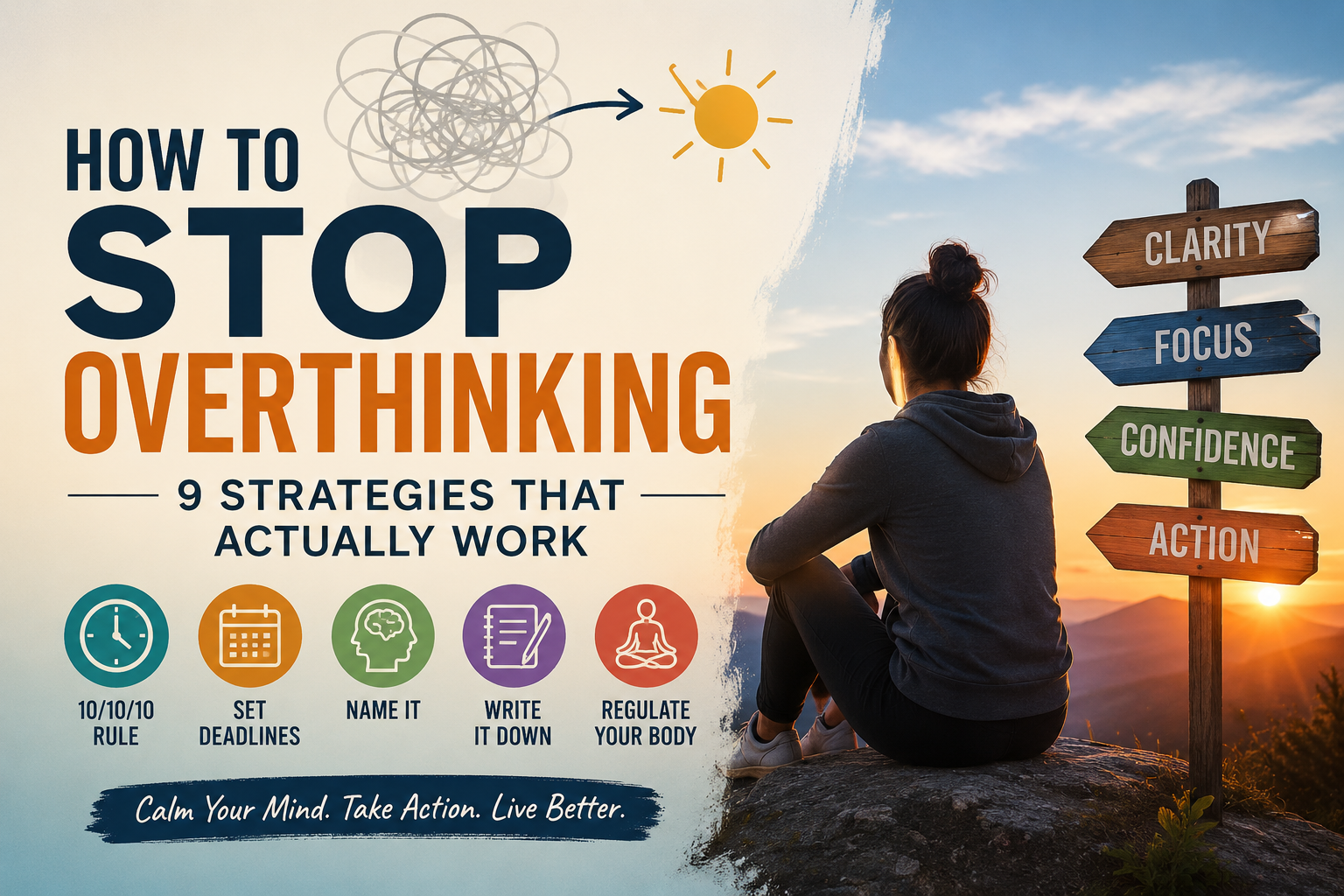
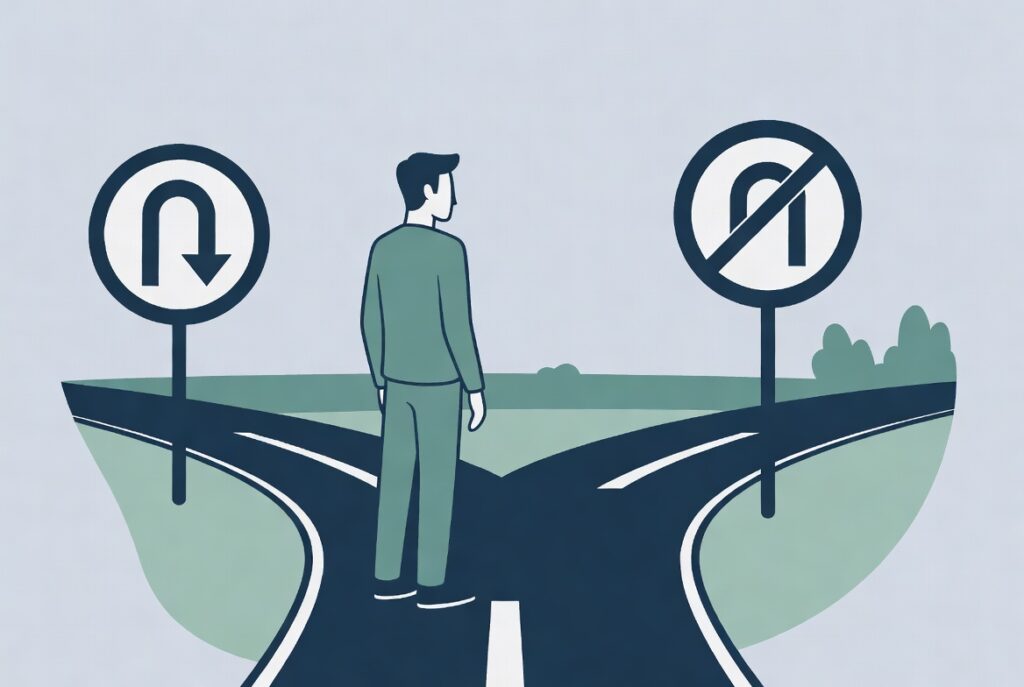
How to Stop Overthinking: 9 Strategies That Actually Work
Have you ever replayed a five-second conversation for three hours, hunting for a hidden insult that was never there? Or spent forty-five minutes deciding between two nearly identical options, convinced that one of them held the key to your future?
That’s overthinking — and if it feels exhausting, that’s because it is. Research on rumination shows that excessive thinking doesn’t lead to better decisions or more clarity. It just leaves you more anxious, more tired, and further from actually doing anything.
The good news: overthinking isn’t a fixed personality trait. It’s a mental habit, and like any habit, it responds to the right tools. Here are nine strategies that actually interrupt the spiral — not just distract from it.
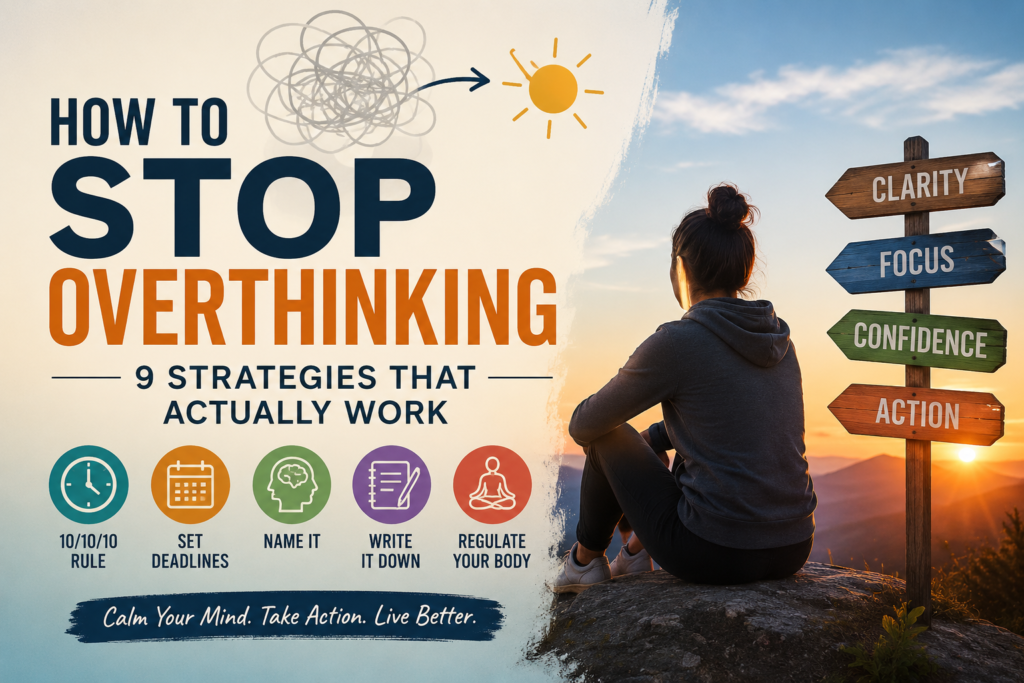
Why We Overthink in the First Place
Overthinking usually isn’t really about the decision in front of you. It’s a nervous system response — your brain trying to create a feeling of safety by simulating every possible outcome in advance. That’s why it tends to spike when you’re anxious, perfectionistic, tired, or under pressure to get something “right.”
Understanding this matters because it changes the goal. You’re not trying to out-logic your way to the perfect answer. You’re trying to help your brain feel safe enough to stop scanning for danger.
1. How to Stop Overthinking Using the 10/10/10 Rule
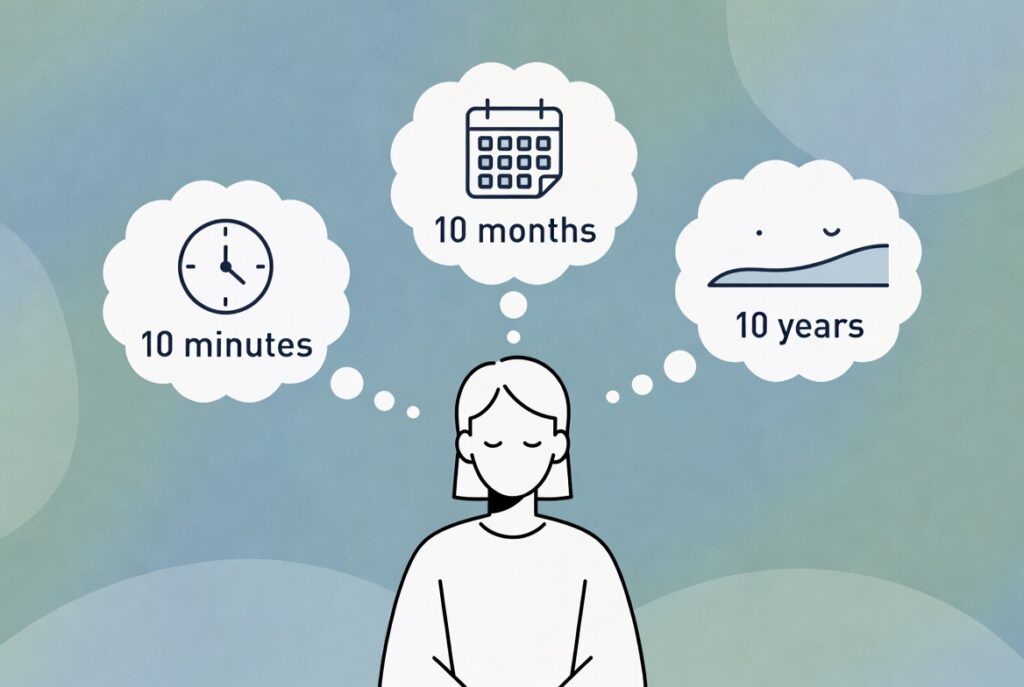
Before you spiral, pause and ask yourself three simple but powerful questions:
How will I feel about this in 10 minutes? In 10 months? And in 10 years?This quick mental time-travel exercise, popularized by author and journalist Suzy Welch in her book 10-10-10: A Life-Transforming Idea, cuts through emotional fog by forcing your brain to zoom out from the immediate intensity of the moment. Most things that feel catastrophic right now— a awkward conversation, a minor mistake at work, or agonizing over a text message—barely register a year later, let alone a decade. The short-term panic fades, the medium-term consequences often turn out manageable, and the long-term impact is usually far smaller than your overthinking brain insists.
2. How to Stop Overthinking by Setting a Decision Deadline
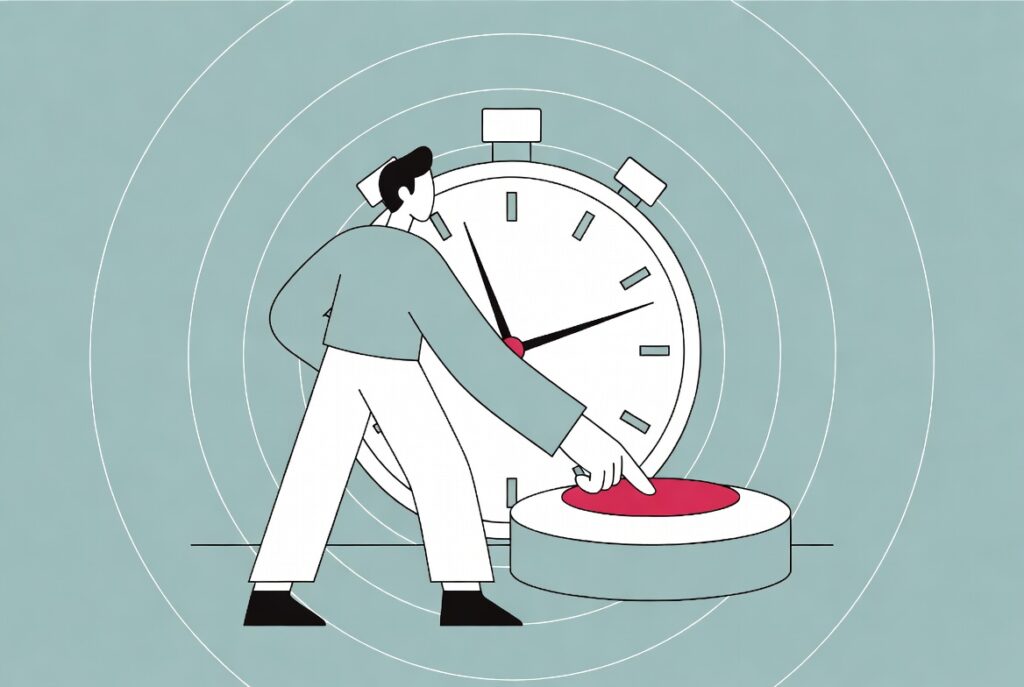
Overthinking has a sneaky way of expanding to fill whatever time you give it—like a mental gas that stretches indefinitely if left unchecked. The solution is straightforward: impose a firm decision deadline. For tiny daily choices (what to order for lunch, which outfit to wear, or whether to send that casual text), cap your deliberation at 30–60 seconds. For medium decisions (weekend plans, minor purchases, or responding to a work email), give yourself a few hours. For bigger ones (job offers, relationship talks, or major investments), set a limit of 1–2 days, or even a week if truly warranted. Once the timer hits zero, you choose and move forward—no more revisiting.
This technique works because it directly counters Parkinson’s Law applied to cognition: work (or worry) expands to fill the time available for its completion. Without boundaries, your brain stays stuck in “gather more information” mode, endlessly searching for certainty that rarely arrives. A hard deadline forces a shift into “choose and move” mode, where action becomes the priority. Research on decision-making shows that most choices don’t require exhaustive analysis to be effective—good-enough decisions made promptly often outperform perfectly optimized ones delayed by overanalysis. Deadlines reduce cognitive overload, lower anxiety, and build momentum through progress rather than perfection
3. How to stop overthings by Name It When It’s Happening
How to Stop Overthinking by Naming It When It’s Happening
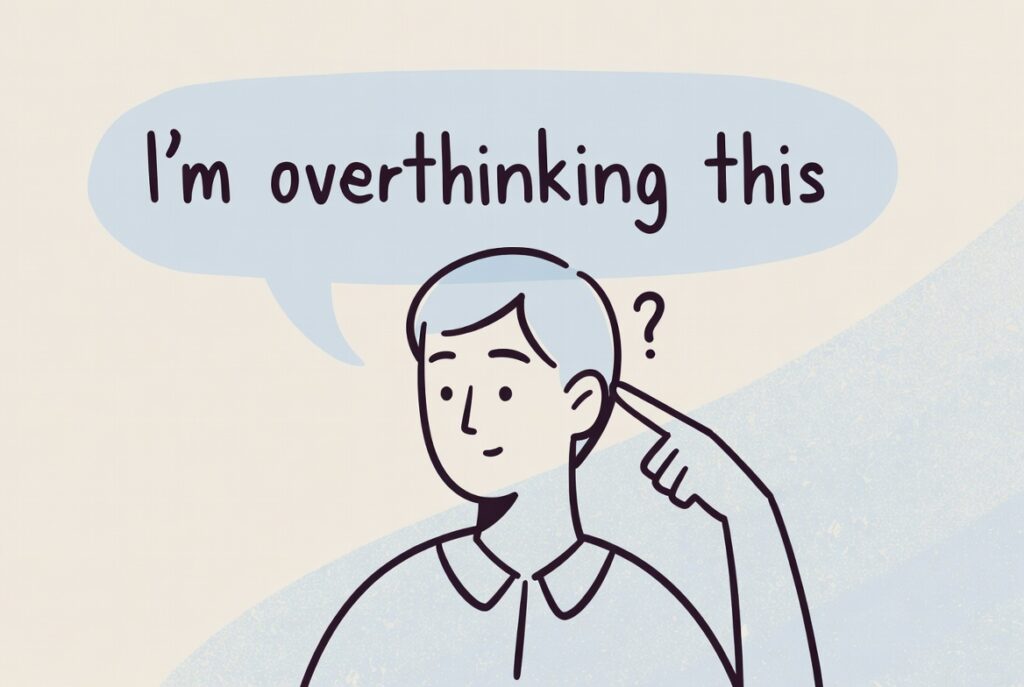
Overthinking is especially dangerous because it wears a clever disguise. It masquerades as being careful, responsible, thorough, or even “just thinking things through.” This camouflage keeps you trapped in the loop, convinced that more analysis equals better outcomes. The moment you catch yourself spiraling—replaying the same conversation, weighing endless “what ifs,” or mentally rehearsing worst-case scenarios—name it plainly and directly. Say it out loud if possible: “I’m overthinking this right now.” Or internally: “This is rumination mode kicking in.” That simple act of labeling creates an instant pause, pulling you out of autopilot just enough to choose a different response, much like noticing you’re doomscrolling makes it easier to put your phone down.
4. How to Stop Overthinking: Get the Thought Out of Your Head and Onto Paper
Thoughts feel infinite and urgent when they’re circling inside your mind. Written down, they shrink. You don’t need an elaborate journaling practice — just a few lines: what you’re worried about, what you actually know to be true, and one next step. Externalizing the thought gives your brain permission to stop holding onto it.
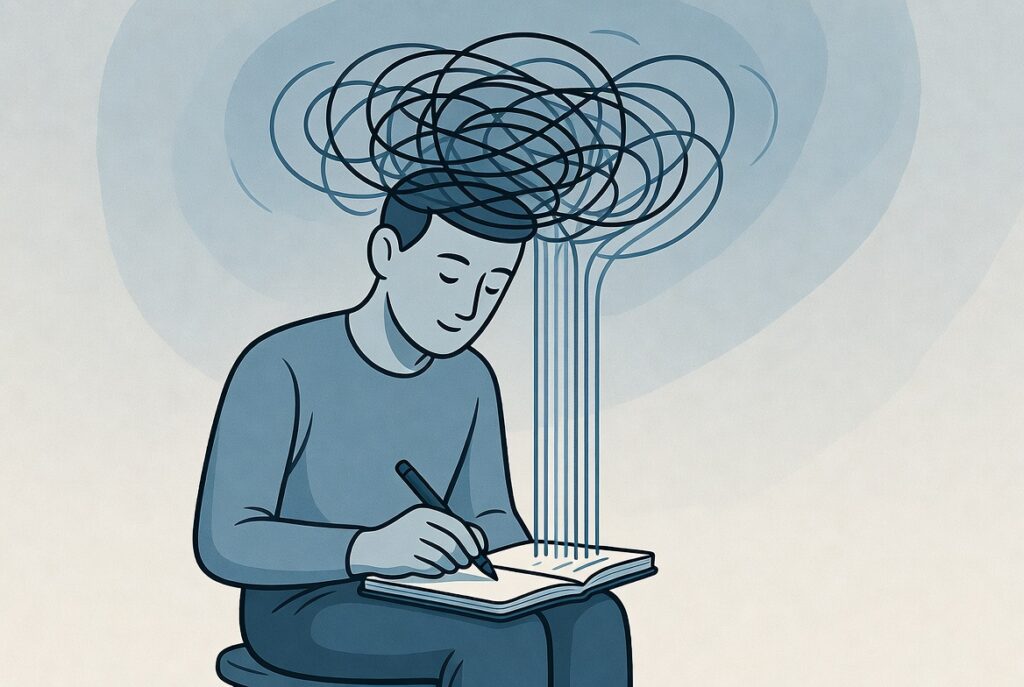
5. How to Stop Overthinking by Regulate Your Body Before You Try to Fix Your Mind
You can’t think your way out of a state your nervous system created. Overthinking isn’t purely a mental problem—it’s often a physiological one. When you’re stuck in a late-night spiral, replaying conversations after a stressful day, or feeling mentally exhausted, your body is likely locked in a low-grade fight-or-flight response: elevated cortisol, shallow breathing, tense muscles, and a revved-up sympathetic nervous system. Trying to reason or logic your way through it rarely works because an activated body keeps feeding the anxious mind. Instead, shift your physiology first. Simple, quick body-based tools can downregulate your nervous system and loosen the mental loop on its own, often within minutes.
6. How to Stop Overthinking: Separate Reversible Decisions From Irreversible Ones
Overthinkers have a habit of treating almost every choice as if it were permanent, high-stakes, and life-defining. This mindset turns minor decisions into emotional minefields and keeps you paralyzed. The fix is to deliberately categorize: Ask yourself, “If this doesn’t work out, can I adjust course later?” The vast majority of decisions— which job to apply for, what to say in a text, how to spend a Saturday, what to order, or even which apartment to rent—are highly reversible. Reminding yourself of this truth dramatically lowers the emotional stakes and makes action feel safe again.
7. How to Stop Overthinking by Limit the Inputs
More information doesn’t always equal better decisions. In fact, for chronic overthinkers, extra inputs often become fuel for the spiral. Comparing yourself to dozens of curated highlight reels on social media, reading endless reviews, or keeping twenty browser tabs open for a single decision creates decision fatigue and supplies your brain with endless new angles to obsess over. The moment you notice the spiral gaining momentum, deliberately limit the inputs: close the tabs, put the phone in another room, step away from the research rabbit hole, and consciously work with what you already know. Quality and restraint beat quantity almost every time.
8. How to Stop Overthinking by Trust Your First Read More Than You Think You Should
Your initial instinct or “first read” on a situation is often more reliable than you give it credit for. Instinct isn’t random guesswork or magic—it’s your brain rapidly processing years of patterns, experiences, and subtle cues faster than your conscious mind can track. The problem is that overthinkers tend to distrust this fast system and override it with prolonged analysis. The key is balance: Don’t skip due diligence on major decisions, but when your gut feeling and your fifth hour of deliberating land on the same conclusion, you almost certainly had it right the first time. Learn to trust that initial read more, and you’ll save enormous mental energy.
9. How to Stop Overthinking by Redirect the Energy Into Action
The fastest, most reliable escape route from overthinking is to redirect all that mental energy into a small, concrete action. Instead of staying trapped in your head, send the email, make the call, start the draft, take the first step—however imperfect. Action generates real-world data and feedback that thinking alone can never produce. Progress, even messy or incomplete progress, quiets the rumination loop in a way that perfect planning never will. Motion creates clarity.
The Bottom Line
You won’t eliminate overthinking by trying to think your way out of it — that’s the trap. What actually works is a combination of perspective (10/10/10), structure (deadlines), body regulation, and, most importantly, action. Every time you interrupt the spiral and choose to move forward anyway, you’re building a different habit — one decision at a time.
If self-sabotaging patterns like this sound familiar, they often show up together — see our guide on breaking free from self-sabotage for more. And if mornings are when your mind tends to spiral fastest, building a steadier morning routine can help set the tone before the day gets away from you.
Follow me on X.
FAQ
Is overthinking a mental health condition? Overthinking itself isn’t a diagnosis, but chronic rumination is closely linked to anxiety and can be both a symptom and a driver of it. If it’s persistently affecting your daily life, sleep, or mood, it’s worth talking to a mental health professional.
Why do I overthink more at night? At night, there are fewer distractions competing for your attention, and your body’s stress hormones haven’t had a chance to reset from the day — both make it easier for rumination to take over.
What’s the difference between overthinking and problem-solving? Problem-solving moves toward a decision or action. Overthinking loops without resolving anything — you’re revisiting the same thoughts without new information or forward movement.
This article is for general informational purposes and isn’t a substitute for professional mental health advice. If overthinking is connected to ongoing anxiety or distress, consider speaking with a licensed therapist.