
Digital Detox: Real Benefits and How to Actually Do One
You check your phone before you’re fully awake. You reach for it in every gap of silence, a red light, a line at the store, a lull in conversation. By evening you’re mentally exhausted, but somehow you’ve also barely done anything you’d call restful. If that sounds familiar, your nervous system may be dealing with something researchers increasingly refer to as digital burnout; chronic exhaustion caused by prolonged, near-constant device and platform use.
A digital detox isn’t about throwing your phone in a drawer forever. It’s a structured, temporary reduction in device use that gives your attention and stress response a chance to actually reset.

What a Digital Detox Actually Does

It Lowers the “Always On” Stress Load
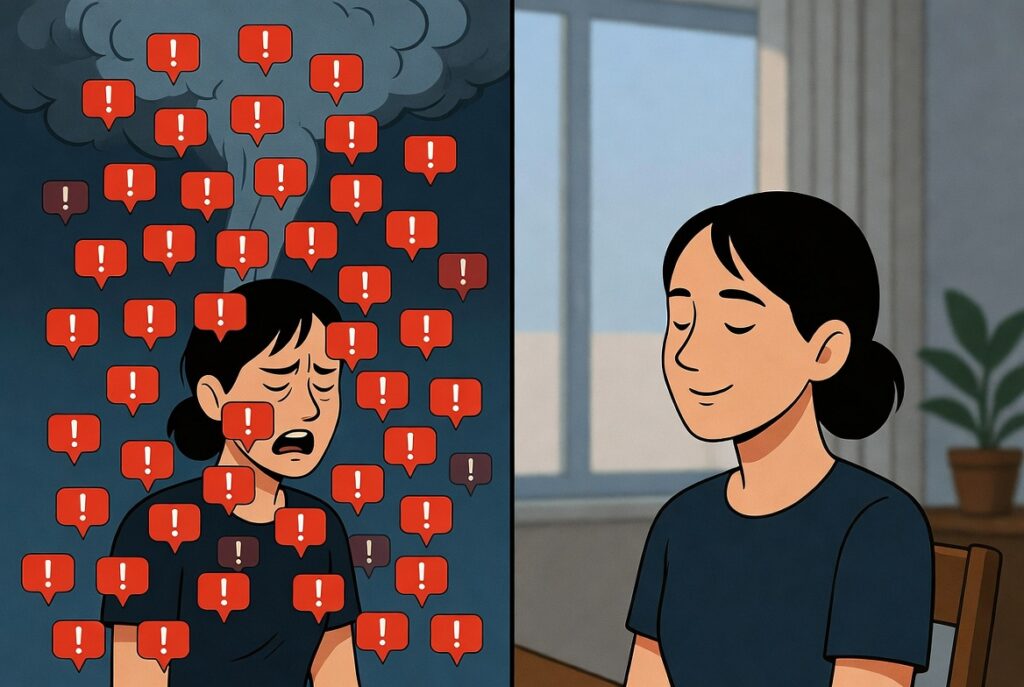
Constant notifications keep your nervous system in a low-grade state of alert, scanning for the next ping. Removing that input, even briefly, allows your stress response to settle instead of staying perpetually activated. Experts note that this constant connectivity can contribute to mental fog, emotional fatigue, and reduced attention span.
It Restores Your Ability to Be Bored; On Purpose
Boredom isn’t a problem to eliminate; it’s often where reflection, creativity, and problem-solving actually happen. Constant scrolling fills every idle moment, which quietly crowds out the mental space those things need. A 2025 review suggests that digital detoxes can actually lead to lower levels of boredom.

It Improves Sleep
Screens before bed delay melatonin release and keep your brain in a more alert state right when it should be winding down. Cutting evening screen time is one of the most consistently effective changes people make during a detox. A 2023 study found that limiting social media use to 30 minutes per day for two weeks led to significant improvements in sleep quality that continued even after the detox ended.

It Reduces Comparison-Driven Anxiety
Time away from curated feeds tends to lower the automatic comparisons to other people’s careers, relationships, and appearances that quietly erode mood over time. Social media can leave people feeling stuck in a loop of “not good enough,” making a break essential for protecting mental peace.

It Rebuilds Your Attention Span
Constant switching between apps and notifications trains your brain toward shorter attention cycles. Structured time away helps rebuild the capacity for sustained focus. Taking a digital break gives your brain a rest from constant multitasking, allowing you to remember details better and process information more quickly.
Research supports these benefits. A 2024 review concluded that digital detoxes can significantly reduce depressive symptoms and may encourage real-world interactions. Digital detoxing has also been shown to reduce stress, anxiety, and symptoms of depression while lifting mood and boosting focus.

Signs You Might Need a Digital Detox
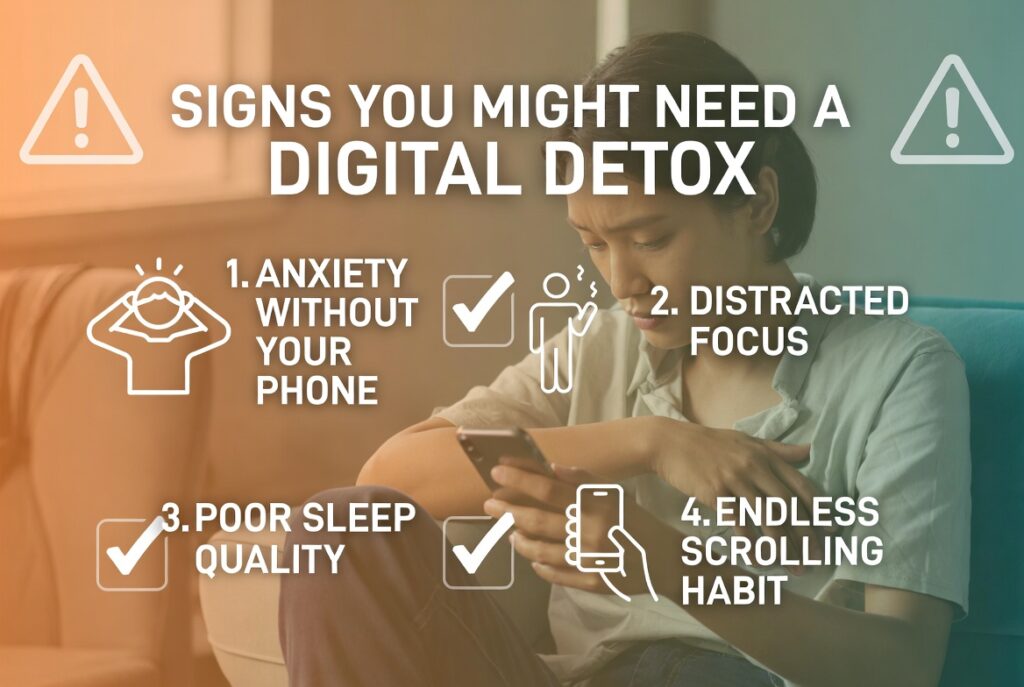
Many people don’t realize how deeply their devices are affecting their well-being until they notice small but persistent shifts in how they feel. Consider a digital detox if you:
– Feel anxious or irritable without your phone
– Struggle to focus or complete tasks
– Experience disrupted sleep patterns
– Find yourself comparing negatively to others on social media
– Lose track of time while scrolling
– Prefer interacting with people virtually instead of in person
How to Actually Do One (Without Going Off-Grid)
1. Pick a Scope That’s Realistic for Your Life
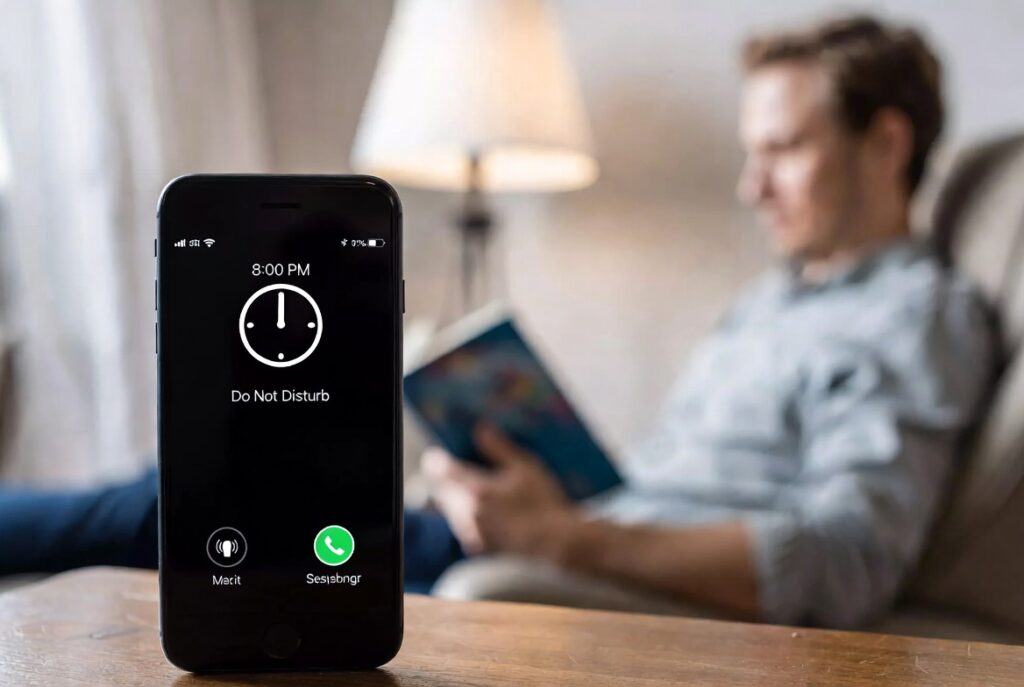
A full weekend off-grid works for some people and is completely impractical for others. Both are valid starting points, what matters is choosing a scope you can actually sustain, whether that’s a single evening, one full day, or specific hours each day (no phone before 9am or after 8pm, for example).
Remember that a personalized approach that considers your individual habits and needs is more likely to help you stick to your detox. You don’t need to go offline for weeks; a weekend break or limiting phone use after 8 p.m. can be a meaningful change.
2. Set a Hard Recovery Window Each Day
Even a modest, consistent window like the first thirty minutes after waking and the hour before bed; can meaningfully lower your baseline stress level. Consistency matters more than intensity. A daily ten-hour buffer from screens does more for your nervous system than one dramatic 48-hour detox followed by a full relapse into old habits.
Consider creating phone-free zones and times: keep your phone out of the bedroom, commit to screen-free meals, or designate certain spaces or parts of your day as tech-free.
3. Turn Off Notifications Before You Try to Use Willpower
Willpower is the least reliable tool here. Turning off non-essential notifications, moving distracting apps off your home screen, or using built-in screen-time limits removes the temptation before it ever reaches you. Fewer pings mean fewer interruptions and fewer urges to check your phone. Most people find that after a day or two, they don’t miss the constant buzzing.
Tools like Screen Time (iPhone) or Digital Wellbeing (Android) can show you exactly where your time is going. Once you know your patterns, you can set app limits or schedule downtime for specific hours.
4. Replace, Don’t Just Remove
A detox that’s only subtraction tends to leave a void that pulls you right back to your phone out of habit or boredom. Have something ready to fill the gap, a book, a walk, a call with a friend, even just sitting with your thoughts, so the freed-up time has somewhere to go.
Try swapping out your evening scroll for a midday stroll, a new self-care routine, or a tech-free evening with a friend. Even small adjustments can help erode old habits. Physical activities like going for a walk, cooking, or meeting with friends in person can replace digital interactions.
5. Tell People You’re Doing It
A quiet detox often collapses the moment someone texts and you feel obligated to respond immediately. A short heads-up (“I’m off my phone most evenings this week, I’ll get back to you tomorrow”) removes that pressure and makes the boundary easier to hold.
Let coworkers or loved ones know when and how to reach you in case of emergencies. This can be as simple as sending a quick text or setting an away message.
6. Notice What Comes Up
The itch to check your phone in a quiet moment isn’t just habit, it’s often what that habit has been covering for: boredom, anxiety, loneliness, or avoidance of a task. You don’t need to solve all of that during a detox, but noticing it is useful information for after.
If the reflex to check your device appears during pauses while waiting in line or during commercial breaks, try grounding yourself in the moment. Take a few deep breaths or reach for a comforting object like a cup of tea or a magazine.
7. Build a Sustainable Version, Not Just a One-Time Reset
A single detox weekend feels great and then quietly erodes within days if nothing about your daily habits changes. The goal isn’t one dramatic reset, it’s identifying two or three specific changes (no phone at meals, notifications off, a real bedtime cutoff) you can actually keep long-term.
If you felt good without your phone, consider putting some guidelines in place to keep your phone use under control. After your detox, reflect on what worked and what felt good. Maybe that means continuing to keep your phone out of the bedroom or setting regular screen-free hours.

The Bottom Line
A digital detox isn’t about rejecting technology, it’s about making sure you’re choosing when to engage with it, instead of your attention being claimed by default every waking minute. Even a modest, consistent reduction in screen time can measurably lower stress, improve sleep, and give your mind room it’s been missing.
The goal should be to find balance. Being offline creates space for deeper connection with yourself, others, and the world around you. Mindful scrolling, tech-free weekends, and using your phone with intention are simple ways to stay grounded.
If digital overload is tangled up with broader exhaustion, consider seeking professional support. Taking intentional steps toward balance can help you regain control.
And if part of your emotional load comes from struggling to say no or hold limits, see our guide on setting boundaries without guilt.
FAQ
How long should a digital detox last to see benefits?
Even short, consistent windows like a screen-free hour before bed can produce noticeable benefits within days. Longer detoxes (a full day or weekend) tend to create a more dramatic reset but are harder to sustain regularly.
Will a digital detox hurt me professionally if I’m expected to be reachable?
Not if you communicate it. Setting clear windows and letting key people know in advance usually prevents the friction people worry about. You can also use “do not disturb” settings to block notifications during specific hours while remaining reachable for emergencies.
What should I do instead of checking my phone during a detox?
Anything that doesn’t involve a screen and gives your mind something to land on like walking, reading, journaling, cooking, or simply sitting without immediately filling the silence. Having a short list of offline activities ready can help ease the transition.
If you’re thinking about starting your own blog or website — whether for journaling, sharing your journey, or building something like this one — the platform you build on matters more than people expect. I’ve used Hostinger for reliable, affordable hosting that doesn’t buckle under traffic spikes, with an easy setup that gets a WordPress site live in minutes rather than hours. If you want to get started, Hostinger regularly runs discounted plans for new sign-ups, making it one of the more budget-friendly ways to launch a site without sacrificing speed or uptime.